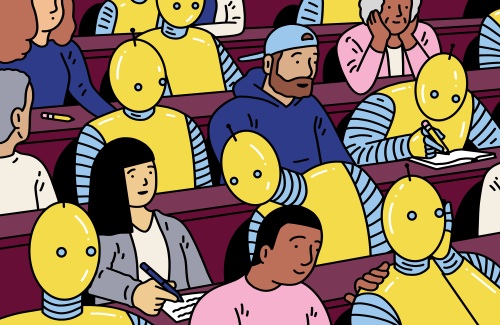
Digital Technology Is Reshaping Childhood and Contributing to Youth Anxiety

In the 21st century, digital technology is no longer a mere backdrop to childhood; it is a defining feature of how children and adolescents experience the world. Smartphones, social platforms, gaming consoles, and an array of digital devices are woven into daily routines, schoolwork, hobbies, and social life. This saturation of screens has prompted intense scrutiny from researchers, clinicians, educators, and parents alike, with ongoing debates about whether and how this digital immersion affects emotional development—particularly anxiety, depression, and behavioral well-being.
The Digital Environment and Its Psychological Toll
A growing body of research indicates that patterns of digital usage are meaningfully linked with mental health outcomes in youth. For instance, longitudinal investigations reveal that adolescents who develop addictive or compulsive use patterns of social media, mobile phones, and video games are at greater risk of experiencing anxiety, depressive symptoms, and even suicidal ideation and behavior compared with peers with less compulsive engagement, underscoring the complexity of digital influences beyond mere “screen time” metrics [1]. Other large-scale longitudinal data show consistent associations between heavier overall screen use and higher levels of anxiety and depression during adolescence, suggesting that excessive engagement—especially when it displaces physical activity, sleep, and face-to-face interaction—may heighten emotional distress [2][3]. Complementary research finds that adolescents with greater digital device use are more likely to exhibit internalizing disorders, such as depressive and anxiety symptoms, compared to peers with lower usage, a pattern that is often stronger when the use involves interactive digital media such as social networks, messaging, or gaming.

Mechanistically, prolonged screen engagement may interfere with key developmental processes. Time spent online often replaces outdoor play, structured sports, or unstructured socializing, all of which are associated with psychological resilience and well-being. Cross-sectional data show that excessive screen usage is linked to poorer sleep quality, which in turn exacerbates anxiety and depression, highlighting sleep disruption as one critical pathway between device use and emotional health [3]. Similarly, observational evidence from adolescent populations suggests that digital device overuse can co-occur with attention difficulties and behavioral problems, though these associations vary across subgroups and individual contexts [4]. Social media platforms, in particular, pose unique psychological pressures by amplifying social comparison, cultivating reward-seeking behavior through likes and notifications, and creating environments where body image concerns, cyberbullying, and peer evaluation are pervasive—factors that may intensify anxiety and self-esteem difficulties in vulnerable users.
Yet, it is important to contextualize these associations within a broader and more nuanced scientific picture. Not all research finds straightforward negative effects of digital engagement on mental health. Some large cohort studies have reported little to no direct link between the amount of time spent on social media or gaming and later anxiety or depressive symptoms when accounting for the quality of online interactions and broader life contexts. This suggests that how adolescents use digital technology—and the meanings they attach to their online experiences—may matter more than simple screen time totals alone [5]. Thus, the digital environment intersects with emotional health in varied and heterogeneous ways rather than exerting a uniform psychological impact across all young people.
Understanding this complexity is essential if societies aim to support healthy development amidst pervasive technology. Public health conversations increasingly emphasize not only limiting harmful patterns of use but also promoting digital literacy, resilience skills, balanced lifestyles, and supportive offline relationships. Interventions that focus on reducing compulsive use, encouraging meaningful engagement, and fostering supportive social networks—both online and offline—may help mitigate risks while preserving opportunities for positive digital experiences.

Youth Identity, Social Comparison, and the Online Experience
Beyond empirical associations between screen usage metrics and clinical symptoms, cultural critiques of the “anxious generation” often focus on the subjective and relational terrain of growing up online. Adolescence is a period marked by identity exploration, growing autonomy, and heightened sensitivity to peer evaluation. Digital platforms amplify these developmental dynamics by embedding social comparison into the very architecture of youth social life. Social media feeds are curated showcases of peers’ highlight reels, intensifying feelings of inadequacy, self-doubt, and emotional volatility in a developmental stage already predisposed to heightened self-consciousness.
For many adolescents, the online world becomes an arena where peer acceptance and social identity are continually negotiated. Likes, comments, and follower counts operate as quantifiable markers of worth, subtly shaping self-esteem and emotional regulation. Compulsive engagement with these metrics may reinforce anxiety and stress, creating feedback loops in which digital validation becomes central to self-concept and belonging. This dynamic is not purely speculative; psychological insights from social media research suggest that reward-based digital systems activate neural pathways associated with motivation and pleasure, yet also contribute to vulnerability when external validation is internalized as a measure of personal value.
At the same time, digital technology is not inherently pathological. Many young people use online platforms creatively and constructively, forming supportive communities, engaging with educational content, and accessing information and peer networks that may be unavailable offline. Digital spaces can provide outlets for self-expression, identity exploration, and social support, especially for marginalized individuals who struggle to find affirming communities in their immediate physical environments. Indeed, research indicates that moderate and purposeful engagement online—such as connecting with supportive peers or accessing mental health resources—can correlate with positive emotional experiences and resilience.

The dichotomy between digital harm and digital benefit underscores the broader cultural negotiation about technology’s role in young lives. Simplistic narratives that equate all screen exposure with mental illness obscure the nuanced reality that youth digital experiences are heterogeneous and context-dependent. Instead, a more productive cultural lens examines how societal structures, educational practices, family dynamics, and platform designs interact with adolescent developmental needs. Encouraging digital literacy, fostering open conversations about online experiences, and creating environments that support balanced lifestyles are pivotal steps toward empowering youth to navigate the digital maze without succumbing to disproportionate anxiety.
In this cultural context, the discourse about the “anxious generation” becomes less a deterministic label and more a reflective prompt: how can societies equip young people with the tools, insights, and support systems to thrive emotionally and socially in increasingly interconnected digital landscapes? The question points not only to the potential risks embedded in technology but also to the collective responsibility to cultivate environments—digital and offline—that honor the complexity of growing up in the 21st century.
About the Author:
Marina López is a cultural critic and writer specializing in the intersection of technology, society, and youth well-being. With over a decade of experience reporting on digital culture for outlets like The Atlantic and Wired, she holds an MA in Media Studies from NYU and has presented her research on adolescent mental health trends at SXSW and the American Psychological Association’s annual conference. López combines academic rigor with narrative insight to explore how digital environments shape identity, emotion, and community in the twenty-first century.
References:
[1] Weill Cornell Medicine. (2025, June 18). Study finds addictive screen use, not total screen time, linked to youth suicide risk.
[2] Nagata, J. et al. (2024). For preteens, more screen time is tied to depression, anxiety later. UC San Francisco News.
[3] PubMed. (2026). Relationship of screen time with anxiety, depression, and sleep quality among adolescents.
[4] PubMed. Impact of screen and social media use on mental health.
[5] The Guardian. (2026, Jan 14). Social media time does not increase teenagers' mental health problems – study.