How AI Decodes the ‘Gen Z Stare’ and Cultural Shifts?
In 2025 and into 2026, one of the most intriguing cultural sparks to emerge across social networks was something as simple — and as confounding — as a blank look. Dubbed the “Gen Z stare,” this term refers to a vacant, seemingly unresponsive facial expression that many members of Generation Z display during everyday social interactions, such as being asked basic questions, responding to greetings, or navigating customer-facing tasks. Though the phenomenon exploded as a meme on platforms like TikTok and Instagram, the term itself also infiltrated mainstream conversations about communication norms, work culture, and intergenerational misunderstanding.
The Gen Z Stare as a Digital-Era Cultural Signal
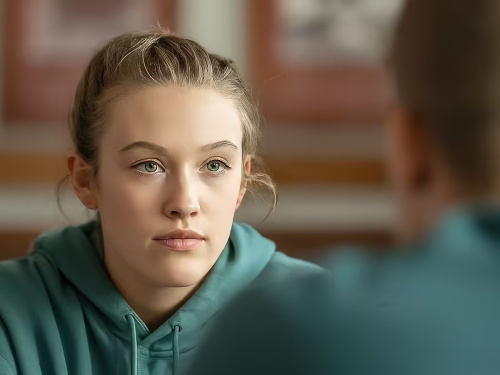
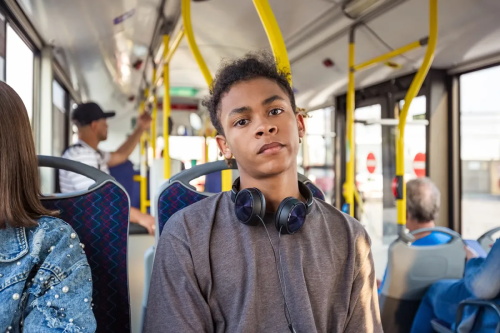
The phenomenon is typically described as a prolonged, deadpan gaze — variously interpreted across age groups as disengagement, confusion, boredom, or digital-era irony. Critics — especially from older generations — often label the stare as evidence of poor social skills or rudeness, particularly in contexts like retail or service jobs where greeting customers or engaging in small talk has traditionally been expected. Supporters and some psychological assessments suggest a more nuanced reading: that the stare may signal resistance to performative emotional labor, a response to overstimulation, or even an adaptive communication style that emerges from years of navigating digital social environments. [1]
This trend has been more than just online chatter. Data collated across platforms shows tens of thousands of mentions in mid-2025 alone, as videos portraying exaggerated stare skits spread virally before the topic climbed into broadcast discussions. Social media users — including members of Gen Z themselves — characterize the stare in diverse ways: as humorously reflective of generational preferences, as an authentic reaction to what they perceive as absurd or repetitive interactions, or as a coping mechanism for managing social energy and digital life. Together, these responses demonstrate how a seemingly minor gesture can become a cultural touchstone, revealing broader questions about how humans interpret attention, communication, and interpersonal presence in a world shaped by screens and networks. [2]
AI as Cultural Microscope: Methods and Interpretive Insights
Amid debates over the “Gen Z stare,” artificial intelligence has demonstrated increasing utility not just in spotting trends but in interpreting their significance. Contemporary AI systems — leveraging natural language processing (NLP), machine learning, and pattern detection across multimodal data such as text, video, and facial expressions — enable researchers and cultural analysts to mine large datasets for emergent patterns that escape anecdotal observation.
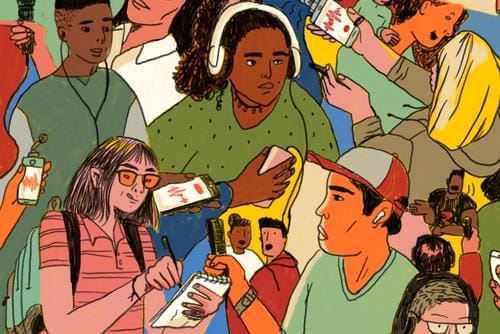
At its core, NLP allows computers to read billions of social media posts, comments, and hashtags, flagging not just how often terms like “Gen Z stare” appear, but how sentiment around them shifts over time. For example, by correlating spikes in mentions with contextual cues — such as humorous footage, mock debates, or generational clash narratives — AI can map both the popularity and the emotional valence of a trend. Machine vision technologies further expand this scope by examining visual patterns in user-generated videos: tracking gaze, expression, and engagement metrics across thousands of clips to understand how certain behaviors are depicted, responded to, and shared. Such computational triage helps separate organic cultural signals from the noise of hype or fleeting memes.
This technology doesn’t merely catalog ‘what’ is happening; it helps illuminate the underlying currents shaping cultural discourse. When the Gen Z stare surged on TikTok and beyond, the broader narrative wasn’t only about blank expressions — it was about communication styles reshaped by digital socialization. AI analysis can highlight how often supposedly ‘vacant’ expressions are tied to sentiments of irony, boredom, or digital fatigue, versus outright negativity in discourse. It can also show which demographics engage with the trend most actively and how interpretations differ in comments, shares, or remix videos.
For instance, AI-driven trend analysis has revealed that Gen Z content often resists highly curated or overly performative representation in favor of seeming authenticity and direct engagement. This aligns with the observation that, as digital natives immersed in platforms like TikTok and Instagram, younger users have developed a communication style prioritizing subtlety or nuanced emotional regulation over traditional expressive cues. In other words, the stare may function less as a lack of communication and more as a distinct communicative choice within a digital culture context.
Beyond analysis of expressions and sentiment, AI also assists in forecasting cultural direction. By modeling how usage and engagement evolve — tracking whether terms are sustaining, mutating, or declining — cultural observers can gauge whether a trend like the Gen Z stare becomes a meaningful marker of shifting norms or dissolves into online folklore. These predictive capacities have practical applications for marketers, content strategists, and social researchers seeking to anticipate audience reception and adapt messaging to resonant cultural frames.
Yet caution is necessary. AI models depend on data that originates in public platforms and reflects users most visible online. Loud voices, niche communities, or viral influencers can distort representation, inflating the prominence of phenomena that may not be as widespread or uniform as aggregated data suggests. Careful interpretation — combining AI’s statistical insight with ethnographic and psychological understanding — remains essential to appreciating the full cultural texture behind trends like the Gen Z stare.
Cultural Insight in the Algorithmic Era
The intersection of AI analysis and cultural phenomena such as the Gen Z stare raises larger questions about how society interprets human behavior in a rapidly evolving social landscape. A blank gaze, once easily dismissed as aloofness or disinterest, becomes a site of cultural negotiation when amplified through digital networks and analytic tools. It signals something deeper about how attention, authenticity, and social norms are being reconfigured in the age of screens.
Critically, the discourse around the Gen Z stare also reveals how generational narratives are constructed and contested. Older cohorts may frame the trend as evidence of eroding social cues or diminished interpersonal skills, while younger commentators situate it within a broader critique of performative norms and emotional labor. AI-informed analysis — by quantifying patterns and contextualizing expressions across millions of interactions — can help disentangle stereotype from substantive cultural shift. It can show that what appears as communicative inertia may, in fact, reflect alternative priorities such as emotional self-regulation, authenticity over artifice, or resistance to expected social scripts rooted in older cultural models.
In this sense, trends like the Gen Z stare are not simply amusing internet fodder; they act as cultural mirrors, reflecting evolving expectations about presence, engagement, and identity in a digitally saturated world. Integrating AI’s analytic capabilities with nuanced social interpretation opens pathways for understanding not just how trends emerge, but what they reveal about the changing texture of human life — where algorithms and lived experience co-produce the narratives through which we make sense of each other.
About the Author:
Jordan Reyes is a cultural analyst and technology writer specializing in how digital trends shape generational behavior. With a background in media studies and data-driven social research, Jordan has spent over a decade exploring the intersection of AI, social media, and youth culture. Their work combines computational analysis with ethnographic insight, helping readers understand how seemingly small online phenomena reveal larger shifts in communication, identity, and social norms.
Sources:
[1]: Times of India. (2025). What’s really behind the Gen Z stare and why does it matter?
[2]: ReelMind.ai. (2025). Gen Z stare trend: Social media phenomenon in AI.
References:
ContentGrip. (2025). Gen Z stare meme goes viral on mainstream media.
Wikipedia. (2026). Gen Z stare.