How Gen Z Is Transforming Celebration Into Emotional and Collective Coping?

For Generation Z, celebration is no longer confined to the traditional markers of accomplishment — graduations, wedding parties, or corporate awards. Instead, young people are increasingly finding meaning and emotional utility in acknowledging micro-wins and everyday survival moments. This shift reframes celebration as ongoing emotional maintenance rather than a one-off social accolade. A growing cultural phenomenon — epitomized by the so-called accomplishment cake, where individuals decorate an ordinary dessert with text or flags marking personal wins — highlights how effort, endurance, and persistence are being publicly acknowledged and collectively validated rather than reserved for polished achievements or high-profile successes. What matters is being seen in the process of living and coping, not just crossing a finish line. This trend places emotional continuity at the center of cultural practice, where the act of recognizing incremental progress functions as sustained reinforcement that helps people “keep going” in a world rife with uncertainty and burnout.
Celebration as Emotional Maintenance and Everyday Ritual
This redefinition of celebration isn’t isolated to symbolic cakes but spills into broader social behaviors. Many Gen Z individuals engage in what’s popularly referred to as treat culture — intentionally buying small indulgences like coffee, snacks, or modest pleasures to reward themselves after challenging moments or simply for making it through the day. These purchases, often shared on social media using hashtags and visual aesthetics tied to emotional relief, serve as micro-rituals of self-affirmation and coping. Across platforms such as TikTok, young people post about their latest “little treat” hauls after stressful experiences: exam setbacks, unproductive days, emotionally taxing responsibilities, and more. This ritualized self-reward is not about luxury consumption; rather, it’s a culturally meaningful strategy for emotional regulation in a context where many traditional milestones — homeownership, stable jobs, long vacations — feel financially and socially elusive. [1]
Psychological research supports that such habitual small rewards are not merely whimsical indulgences but intentional emotional coping mechanisms. Surveys show that a significant proportion of Gen Z consumers integrate these small purchases into their routines as a form of self-care and stress relief, with many budgeting for regular treats precisely because larger goals remain uncertain or inaccessible. In this framing, each little treat isn’t a superficial splurge; it represents psychological self-support, a tangible acknowledgment of grappling with daily life stressors and carving out moments of connection and joy amidst them. [2]
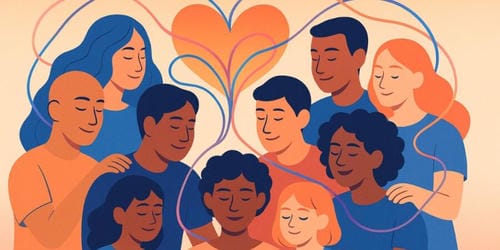
Celebration as emotional maintenance is further amplified by the generation’s broader comfort with therapy language and mental health discourse. Terms like emotional labor, boundaries, and growth have entered everyday conversations, pushing vulnerability and introspection into public forums where they are shared, witnessed, and normalized. Platforms such as social media act as informal group therapy spaces where personal narratives of perseverance, anxiety, and recovery are met with collective support rather than stigma — a dynamic that reinforces celebration as a collective emotional tool rather than an individual spectacle. This represents a cultural shift toward emotional fluency — the ability to articulate and validate internal experience as a valued part of social life.
Moreover, this approach to celebration is emblematic of an anti-hierarchical value system. Traditional celebrations often revolve around competitive accomplishment or standardized achievements measured against societal benchmarks. In contrast, Gen Z’s celebration rituals tend to democratize acknowledgment — all efforts, no matter how seemingly minor, are validated without comparison, ranking, or hierarchical judgment. Whether it’s commemorating a week of emotional labor with a symbolic cake or sharing a “little treat” indulgence on social media, these practices emphasize relational validation and emotional reciprocity, where people are encouraged to see and celebrate one another’s resilience irrespective of external accolades.
In this cultural model, recognition becomes momentum — the emotional currency that fuels continued effort, recovery, and engagement with life’s challenges. Unlike older norms where celebration marks finality or peak achievement, today’s rituals treat acknowledgment as cumulative and sustaining, acknowledging that life is not a series of finish lines but an ongoing series of emotional and practical adjustments.
Collective Coping and Cultural Reinvention of Celebration
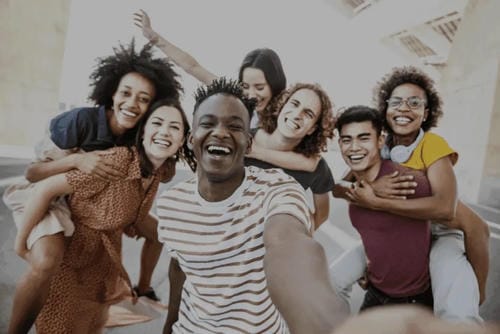
The ways in which Gen Z celebrates reflect a broader shift toward collective coping as a social norm. Modern psychological frameworks acknowledge that coping is not solely an individual process but often collective in nature: people weave emotional support systems that help manage adversity through shared practices, symbolic gestures, and communal narratives. Gen Z’s celebration culture exemplifies this communal coping dynamic, wherein public acknowledgment — whether of survival, progress, or emotional effort — becomes a shared ritual among peer networks. By openly marking moments of persistence and resilience, individuals situate their personal experiences within collective memory, reinforcing social bonds while reducing the isolating effects of stress or failure.
The historical context of this shift is important. Gen Z has come of age during a period marked by economic precarity, social upheaval, and the lingering psychological effects of the COVID-19 pandemic. These shared stressors have normalized heightened emotional awareness and reinforced the need for mutual support systems. Celebration in this landscape is less about status, and more about survival. Looking through this lens, small-win celebrations and treat culture become adaptive strategies: they help individuals and communities cope with uncertainty, validate emotional labor, and maintain a sense of continuity when traditional markers of progress seem delayed or inaccessible.
The collective nature of these practices also impacts identity formation and social belonging. Instead of defining themselves through externally validated end states — a degree, a job title, home ownership — Gen Zers increasingly shape identity through process-oriented milestones that are witnessed and affirmed by peers. The act of public celebration, whether through social media posts or shared ritual among friends, reinforces belonging and solidarity. The celebration itself becomes a social infrastructure — a shared language through which individuals can articulate complexity, externalize effort, and find community.

In this cultural iteration, emotional wellbeing is not a private achievement but a public priority. Acknowledging emotional labor, navigating burnout, and marking survival is normalized, reducing the stigma around vulnerability and repositioning emotional care as an ongoing communal practice. This redefines the boundary between personal and collective experience, inviting culturally shared rituals that emphasize emotional sustainability over traditional success metrics. [3]
The result is a cultural environment where collective coping and celebration intersect: rituals of acknowledgment function not merely as markers of joy but as mechanisms of support, co-regulation, and shared resilience. Whether through symbolic micro-celebrations or communal emotional language, Gen Z’s approach to celebration reshapes cultural norms and creates new pathways for emotional connectivity in an increasingly complex social landscape.
About the Author:
Jordan Lee is a cultural sociologist and writer exploring how Generation Z navigates mental health, identity, and social rituals in the digital age. Their research focuses on youth culture, emotional wellbeing, and the ways everyday practices—like micro-celebrations and social media sharing—shape collective coping. Jordan’s insights have been featured in lifestyle and culture publications analyzing contemporary trends in society and youth behavior.
Sources:
[1]: National Association of Convenience Stores (NACS). (2025). More than half of Gen Z indulges in ‘little treats’.
[2]: Travers, M. (2025). Why little treats are Gen Z’s favorite coping mechanism, by a psychologist. Forbes.
[3]: Tatler Asia. (2025). What Gen Z really cares about: How Gen Z is redefining culture, work and wellness.
References:
Insight Trends World. (2025). Wellness, small wins, loud flags: How Gen Z turned celebration into collective therapy. Insighttrendsworld
Youth Incorporated Magazine. (2025). The rise of “little treat culture”: Why Gen Z is indulging in everyday joys. Youth Inc Mag.
Recommended for you