Young Adults Today Face Deep Uncertainty, Loneliness and Anxiety Across Generations Z and Millennial

Across the globe, members of Generation Z and millennials are navigating an emotional climate marked by profound uncertainty. Unlike older cohorts who came of age in more stable economic and social environments, these younger generations face unpredictable labor markets, rising living costs, and societal challenges that were once considered peripheral. Research indicates that a significant portion of Generation Z reports frequent feelings of uncertainty about the future and anxiety about key life decisions—rates significantly higher than those reported by older adults. These emotions are not merely fleeting; they are persistent and deeply embedded in everyday life.
The Emotional Landscape of Young Adults
For many young people, uncertainty extends beyond professional anxiety to encompass existential concerns about climate change, political instability, and technological disruption. This pervasive sense of unpredictability has a cascading effect on well-being: when the future feels opaque, everyday choices—education, careers, relationships—gain disproportionate emotional weight. Although anxiety and stress are not unique to this demographic, their prevalence among Gen Z and millennials suggests structural shifts in how contemporary society conditions its youth to understand risk, success, and self-worth.
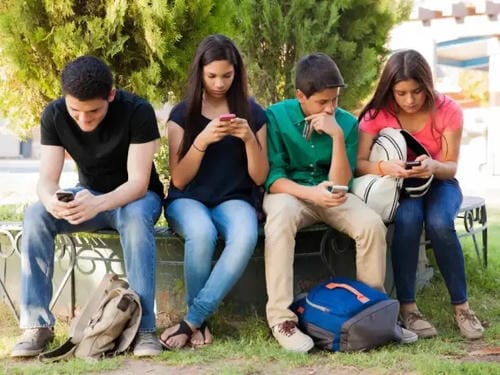
Compounding this emotional instability are the pressures associated with social media and digital culture. These platforms create constant opportunities for comparison, cultivating a climate in which individuals measure themselves against idealized versions of their peers. The result is a paradoxical blend of hyperconnectivity and emotional distance: while technology facilitates ongoing contact, it often fails to translate virtual interactions into meaningful emotional support, leaving many young adults feeling hollowly connected.
Loneliness and Isolation in the Digital Age
Despite being the most digitally connected generations in history, both Gen Z and millennials face unprecedented levels of loneliness and isolation. Surveys repeatedly reveal that significant percentages of these cohorts report feeling excluded and without companionship. In some studies, nearly half of Generation Z respondents say they feel lonely regularly, and similar trends are evident among millennials, indicating that this is not an issue isolated to a single age group but a broader cultural shift.
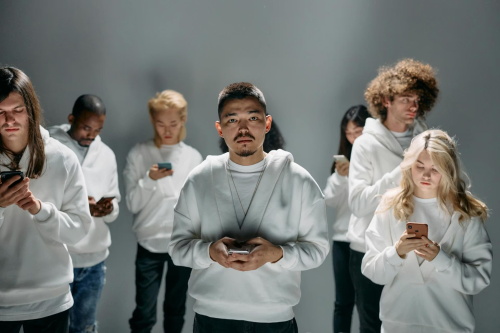
This epidemic of loneliness reflects multiple converging factors. Traditional forms of community engagement, such as neighborhood gatherings, civic organizations, and family-centered social structures, have weakened over time. At the same time, the COVID-19 pandemic—and the associated periods of lockdown and social distancing—intensified reliance on technology for social interaction, reducing opportunities for face-to-face engagement when it was most needed.
Loneliness and isolation exert a toll that extends beyond mere emotional discomfort; they are closely linked to anxiety and depressive symptoms, impaired social skills, and lower life satisfaction. Psychological research shows that individuals who experience persistent loneliness often interpret social cues negatively and withdraw from potential social interaction, creating a feedback loop that reinforces isolation and heightens anxiety. In family contexts, weaker intrafamilial communication and lower cohesion correlate with greater reported feelings of exclusion and a diminished sense of belonging.
Moreover, the structure of modern work and study environments can inadvertently foster social isolation. Remote work arrangements, extended screen time for academic or professional purposes, and solo living situations all contribute to reduced interpersonal contact. Even everyday activities like eating have shifted towards solitary routines for many young adults, further eroding opportunities for casual human interaction that strengthens social bonds.
Anxiety’s Deep Roots and Pervasive Reach
Anxiety among Gen Z and millennials cannot be disentangled from the social and economic forces shaping their lives. Studies show that a high proportion of these cohorts report symptoms of anxiety, with feelings of nervousness or being on edge being particularly common. These emotional experiences are often tied to broader stressors: economic uncertainty, educational pressures, familial expectations, and the weight of global issues like climate change.
The mechanisms linking anxiety to loneliness and isolation are complex but significant. Anxious individuals may be more prone to self-withdrawal, avoiding social situations that could otherwise alleviate feelings of disconnectedness. This avoidance can limit opportunities for building supportive relationships, which are critical for buffering stress and fostering resilience. Young people with higher anxiety levels often report feeling excluded, misunderstood, or unable to connect deeply with others, creating a compounding effect where anxiety and loneliness feed into each other.

Social media intensifies these emotional experiences by creating environments where self-worth is measured through likes, shares, and curated personas. Many young individuals report that online scrutiny and comparison exacerbate their sense of inadequacy, amplifying anxiety and reinforcing feelings of isolation. This digital feedback loop can overshadow real-world social interactions, leaving underlying fears of social rejection and uncertainty about the future unaddressed.
Within both Gen Z and millennial communities, there is growing recognition of these challenges. While millennials were the last generation to experience adolescence and early adulthood without omnipresent social media, they share many emotional burdens with Gen Z, including the struggle to balance digital connectivity with genuine interpersonal connection. Together, these cohorts inhabit a psychological landscape shaped by rapid change, elusive stability, and an ongoing search for belonging.
Mental health professionals emphasize that addressing these emotional climates requires more than individual coping strategies; it calls for structural shifts in how society nurtures social bonds, prioritizes mental health, and creates spaces for authentic connection. As the emotional climates of Generation Z and millennials become clearer, so too does the need for interventions that bridge the gap between digital interactivity and meaningful human engagement.
About the Author:
Alexandra Reyes is a cultural analyst and writer specializing in generational behavior, mental health, and societal trends. With over a decade of experience reporting on youth culture and emotional well-being, she has contributed to international publications and conducted qualitative research on the psychological impacts of digital life on young adults. Alexandra holds a master’s degree in sociology and regularly speaks at conferences on mental health, technology, and social change. Her work blends data-driven insights with empathetic narratives to explore how shifting cultural landscapes shape the inner lives of emerging generations.
References:
Barna Group. (2025). Gen Z’s Emotional Challenges.
Cigna International Health. (2024). Más del 40% de la población millennial y Z se siente excluida y sin compañía.
Annie E. Casey Foundation. (2021). Generation Z’s Mental Health Issues.
Gitnux. (2025). Gen Z Loneliness Statistics.