Psychological Theories Reflect Cultural Trends in Society
Psychological theories are often perceived as objective, timeless frameworks that explain human behavior through neutral observation and empirical data. Yet, a closer look at the history and development of psychological thought reveals that these theories do not exist in a vacuum — they are deeply entwined with the social currents and cultural climates of the eras that produce them. From the Enlightenment to the digital age, psychological constructs have both reflected and responded to the values, anxieties, and intellectual movements of the societies in which they emerged. One contemporary observer puts it plainly: “Psychiatry and psychology want to see themselves as entirely empirical and scientific, independent of external influences, but in reality, they are not immune to the prevailing values in the wider society.” This means that psychology evolves as culture evolves, not simply beside it but deeply through it, responding to the shared ideas and collective concerns that shape how humans understand themselves and others.
The Cultural Context of Psychological Thought
To unpack this relationship between social trends and psychological theories, we must first recognize how culture — defined as the shared values, norms, and practices of a group — structures the way individuals think and behave. Cultural psychology itself emerged as a field to investigate precisely that interdependence, proposing that “mind and culture are inseparable and mutually constitutive.” Psychological patterns are not merely applied onto cultural behavior; they are crafted by and through cultural contexts that shape cognitive processes, emotional expression, and social interaction. [1]
Historically, psychological paradigms have shifted in step with broader cultural movements. During the Enlightenment, with its valorization of rationality and human dignity, early therapeutic approaches emphasized moral and humane treatment of mental distress, prioritizing reason and individual rights. As the world moved into the industrial era, theories began to reflect values like efficiency, discipline, and mechanistic understandings of behavior. In the early twentieth century, the rise of psychoanalysis corresponded with cultural fascination around sexuality, hidden drives, and inner worlds — mirroring a cultural fascination with symbolic truths and individual interiority. The post–World War II era brought an optimism rooted in rebuilding and human potential; this climate gave rise to humanistic theories that emphasized self-actualization and personal growth. More recently, the growing emphasis on social justice, cultural diversity, and globalization has fueled interest in sociocultural and cross-cultural approaches that seek to understand behavior beyond narrow Western frameworks.

This interplay suggests that mainstream psychology not only responds to social trends but also is shaped by them, as dominant cultural narratives become embedded within theoretical assumptions. Psychological theories thus act as mirrors that reflect cultural priorities — from rational empiricism to individual self-realization, and now to cultural diversity and contextual complexity.
Cultural Currents and the Shaping of Psychological Theory
Understanding how psychological theories mirror cultural currents requires an examination of specific examples where broader social patterns have influenced the framing of psychological inquiry.
One clear case lies in the distinction between individualistic and collectivistic cultures — a cultural divide often highlighted in cross-cultural psychology. Cognitive and behavioral processes are interpreted differently depending on cultural orientation; Western cultures, for instance, are associated with analytic thinking that emphasizes individual objects and their properties, while East Asian cultures tend toward holistic thinking that highlights relationships and context. These differences in cognitive emphasis suggest that even basic psychological concepts like perception and reasoning can be shaped by cultural patterns rather than universal mental structures. [2]
Furthermore, cultural psychologists such as Hazel Rose Markus have demonstrated through empirical research how cultural contexts shape emotional experience, motivation, and self-construal. Markus and colleagues have shown that individuals’ emotions, cognitions, and motivations are not static psychological facts but are conditioned by cultural norms and practices that define what is considered valuable or meaningful. Cultural psychology thus challenges the assumption that psychological constructs are universally applicable; instead, it argues that human thought and behavior must be understood within the cultural frameworks that sustain them.
Another way in which cultural currents influence psychological theory is through the broader social movements of the time. The rising emphasis in recent decades on diversity, equity, and inclusion in social discourse has had a direct impact on psychological research agendas. Social psychologists are increasingly attentive to how societal inequalities, identities, and power relations shape human behavior and cognition, a shift that aligns with global social justice movements such as #MeToo and Black Lives Matter. This cultural momentum has pushed psychology to confront its own biases and expand its methods to include more diverse populations and perspectives. [3]
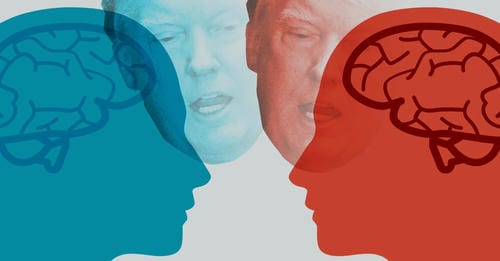
The bandwagon effect — a psychological phenomenon where individuals adopt behaviors or beliefs because they are popular — also illustrates how societal trends can influence psychological thinking. This effect, widely observed in areas like fashion, politics, and public opinion, shows how human behavior is dynamic and responsive to collective patterns. The very recognition and naming of such a bias in cognitive science reiterate how psychological inquiry often codifies cultural behaviors, translating widely observed social phenomena into explanatory constructs.
Cultural schema theory offers another lens on how cultural contexts inform psychological constructs. Rather than viewing cognitive frameworks as universal, cultural schema theory posits that individuals rely on mental frameworks shaped by cultural experiences to interpret the world. These schemas, shared among members of cultural groups, guide individuals’ expectations, norms, and behaviors in social contexts — again illustrating the co-constitutive relationship between psychological processes and cultural influences.
Even the historical roots of psychology point to cultural embeddedness. Wilhelm Wundt, often considered the father of experimental psychology, discussed cultural psychology as a distinct domain that examined the evolution of language, myth, and social customs as fundamental parts of human psychology — long before psychology became dominated by laboratory experiments. His work underscored that cultural practices are not peripheral to psychological inquiry but central to understanding the human mind within its social milieu.
As the field evolves, contemporary psychological thought continues to incorporate cultural context more deeply. Research programs such as the Laboratory of Comparative Human Cognition blend cross-cultural observations with experimental methods to foreground how local practices and social environments contribute to cognitive development and behavior, rather than treating culture as an external variable.
This integration of cultural perspectives into psychological theory is not simply a trend but represents a paradigmatic shift — one that reflects a broader societal recognition of cultural diversity and complexity. In this sense, psychology itself is adapting to the cultural currents of the present moment, reshaping its frameworks to better account for the variety of human experience.
About the Author:
Dr. Adrian Vega is a cultural psychologist and social researcher who examines how societal trends shape psychological theory and human behavior. With expertise in cross-cultural psychology and the history of psychological thought, Dr. Vega explores the interplay between culture, cognition, and emotion, helping readers understand how psychology both reflects and informs the values and priorities of contemporary society.
Sources:
[1]: LibreTexts Social Sciences. (2025). 5.03: Cultural psychology (in Child Development).
[2]: Global Council for Behavioral Science. (2025). Behavioral science across cultures: Understanding the interplay of cultural differences, behavior, and interventions.
[3]: Careershodh. (2025). 6 important and current trends in social psychology.
Reference:
Psychology Today. (2026). Psychological theories follow social trends.