The Emotional Force of Vibe Culture Shaping Influence and Cultural Meaning
Vibe culture is rapidly redefining how influence operates across digital and real-world cultural landscapes. Rather than chasing ephemeral trends or surface-level virality, this emergent framework prioritizes emotional resonance, mood, and the shared feeling communities derive from cultural artifacts and experiences. Its spread reflects deeper dynamics in how humans connect, how information propagates, and how algorithmic systems shape collective attention and identity. In the age of social media saturation and algorithmic saturation, traditional trend cycles—once predictable, often short, and easily exhaustible—are giving way to a more enduring and affective form of cultural diffusion rooted in vibe, authenticity, and emotional coherence.
The origins of vibe culture are not accidental. Over the last decade, digital platforms such as TikTok, Instagram, Pinterest, and YouTube have inundated users with micro-trends: rapid, catchy, and often superficial cultural moments that burn bright and die quickly. These trends—whether named aesthetics like “indie sleaze,” “cottagecore,” and “dark academia,” or fast-moving meme formats—spread quickly through reposting loops and recommendation systems, creating a sense of urgency to participate, mimic, or be left behind. Yet the very forces that powered these micro-trends eventually spurred backlash. Digital fatigue, algorithmic homogenization, and consumer skepticism toward manufactured virality all coalesced into a cultural pivot point. Users grew tired of constantly performing for algorithmic attention; what once felt like playful engagement began to feel mechanical and exhausting. As a result, a cultural shift emerged: people began asking not “What trend is hot right now?” but “What emotional experience or mood do I want to feel and share?” This shift laid the foundation for vibe culture, which prizes emotional texture over trend timing and mood coherence over trend obedience. [1]
In contrast to fleeting trends, which often demand binary participation (you’re either inside a trend or outside it), vibe culture thrives on emotional diffusion and shared affective space. Trends emerge and fade; vibes linger and permeate. A trend can dictate what color palette or slang is fashionable this season; a vibe shapes how people conceptualize their inner world, lifestyle, and emotional identity over extended periods. Vibe culture is less about conforming to a specific template and more about cultivating a mood or atmosphere that resonates deeply with others. Whether it’s a “soft life” aesthetic that foregrounds serenity and intentional living or an “aesthetic moodscape” that evokes nostalgia or introspection, vibes invite people to inhabit a shared emotional space that feels personally meaningful. [2]
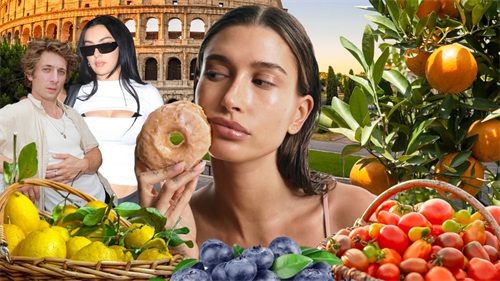
Emotional selection—how information with strong emotional impact propagates more efficiently than neutral information—helps explain why vibe culture spreads with such persistence. In social systems, content that triggers significant emotional response is more likely to be shared, discussed, repurposed, and embedded into community identity. Scholars who study emotional selection note that emotionally resonant content often outlives information that is chosen solely for instrumental productivity or factual utility because emotions enhance memorability and social engagement. This dynamic underpins many cultural transmission processes; things that feel right emotionally continue to circulate even when they lack clear functional benefits. Thus, vibe culture’s focus on overarching moods rather than discrete trend moments aligns with how emotional energy naturally propagates through networks.
This rise of vibe culture also intersects with broader shifts in how algorithms curate and prioritize content. Modern recommendation systems do not operate by pure randomness; they tailor feeds based on patterns of emotional engagement, interaction histories, and user preferences. While this can create phenomena such as filter bubbles or echo chambers—where users see content that reinforces existing tastes and moods rather than exposing them to diverse perspectives—it also creates fertile ground for mood-based cultural clusters. These clusters are less about discrete trend signals and more about affective continuity: people who are drawn to peaceful aesthetics cluster around content that cultivates that calm vibe, while those who seek high-energy content cluster around stimuli that heighten excitement or intensity. In this way, algorithmic curation does more than accelerate micro-trends—it inadvertently amplifies emotional atmospheres that users find compelling and emotionally congruent.
As algorithmic systems refine their capacity to decode emotional cues—now increasingly using advanced natural language processing, sentiment analysis, and user behavior patterning—brands and creators have begun to embrace vibe culture as a strategic asset rather than a vague sociocultural buzzword. Marketing professionals now speak about “vibe marketing,” a practice that foregrounds emotional coherence, tonal consistency, and shared mood alignment over haphazard virality chasing. Instead of crafting campaigns that latch onto every trending meme, successful practitioners focus on defining a clear emotional territory that audiences can identify with and participate in over time. This approach emphasizes longitudinal engagement, where emotional resonance drives deeper engagement, community formation, and sustained loyalty rather than temporary likes or fleeting trend participation.
For example, where old trend-based marketing might harness a viral dance or trending catchphrase to boost visibility, vibe marketing strives to embed brands within the emotional landscape of a community. A brand does not merely appear in a trend—it creates a feeling that the audience can adopt, reinterpret, and integrate into their sense of self and collective identity. This shift reflects the fact that modern consumers—particularly younger generations such as Gen Z—reject what they perceive as contrived or insincere. Many now prioritize authenticity, emotional depth, and lived experience over the status signals conferred by trend participation. They crave real feelings, personal narratives, and cultural artifacts that reflect their nuanced emotional landscapes rather than one-size-fits-all trend formulas.
From the perspective of cultural diffusion theory, vibe culture’s dominance also reconfigures how communities cohere emotionally and narratively. Where past trend cycles often functioned as unifying cultural moments—everyone “knew” what a trend was and could rally around it—vibe culture decentralizes that unification into overlapping mood communities. Rather than shared knowledge of the latest trend, communities now share a sense of emotional identity that helps them interpret other cultural forms, make consumption choices, and connect with each other. These shared feelings become a form of cultural capital that dictates belonging and engagement in a world where emotion permeates every level of interaction.
This restructuring of cultural influence also stems from the exhaustion inherent in hyper-acceleration cultures. The relentless pace of trend turnover, often dictated by algorithmic favoring of novelty, erodes the capacity for reflective participation. Instead of cultivating deliberate emotional or cultural meaning, creators and consumers become trapped in cycles of imitation that burn out quickly. When trends fly by with dizzying speed, cultural fatigue sets in; consumers no longer derive satisfaction from hopping on micro-trends because the emotional rewards are shallow and short-lived. Vibe culture counteracts this by privileging sustained emotional engagement, enabling people to inhabit slow-moving cultural atmospheres rather than sprint through short circuits of attention. [3]
Digital platform affordances also play a role in this shift. Pinterest’s mood boards, TikTok’s aesthetic playlists, Spotify’s “vibes” playlists, and Instagram’s curated aesthetic feeds all function as affective ecosystems rather than trend engines. Users no longer navigate a succession of explicit trend tags as much as they explore and share collections of images, sounds, and narratives that evoke moods. These mood-driven engagements signal to the algorithm what emotional atmospheres matter, reinforcing the cycle of vibe propagation. This is not merely cosmetic: it reflects a deeper transformation in how audiences engage with content. Engagement now often hinges on how content makes people feel, rather than whether it fits a pre-defined trend template.

Moreover, vibe culture can generate enduring cultural niches that sustain identities and communities. Unlike trend cycles that rise and fall within weeks or months, vibes persist as long as there is shared emotional interest and cultural relevance. A “nostalgic 90s vibe,” for instance, may sustain communities across platforms, offline gatherings, and creative outputs over years, while micro-trends tied to specific aesthetics disappear rapidly. These enduring moods form emotional backdrops that shape cultural participation far more deeply than episodic trend cycles.
In turn, this persistence alters expectations around cultural participation. Authenticity becomes a benchmark not merely for credibility but for emotional coherence. Audiences use emotional resonance as a heuristic for cultural value, favoring creators, brands, and artifacts that feel like meaningful contributions to shared emotional landscapes rather than hollow attempts at momentary virality. Under this paradigm, cultural diffusion is not a race to be first to virality—it is a process of co-creating, sustaining, and deepening collective emotional experiences that grow organically through shared participation.
About the Author:
Riley Morgan is a cultural analyst and writer specializing in digital media, emotional trends, and youth culture. Their work examines how online communities shape collective moods, influence, and identity, with a focus on phenomena like vibe culture, aesthetic-driven social practices, and algorithmic emotional curation. Riley’s insights appear in leading culture and tech publications exploring the intersection of emotion, media, and social behavior.
Sources:
[1]: Vocal Media. (2025). Vibe culture: How content has shifted from trends to moods.
[2]: Artikls. (2025). Vibe culture: Social media mood‑driven engagement.
[3]: Activated Thinker. (2025). The new algorithm of influence: Why vibe culture is replacing fleeting trends and how marketers can adapt. Medium.