How Remote Creatives Are Forging a New Global Culture?

The digital age has ushered in more than new tools for work—it has fundamentally reshaped the way professionals understand their place in the world. Once confined by geography, a growing cohort of remote digital creatives—writers, designers, developers, strategists, and other knowledge workers—are living lives that are as mobile as they are connected. This phenomenon, commonly understood through the term digital nomadism, refers to a state of work and lifestyle in which individuals leverage information and communications technology to perform professional tasks while moving between locales, often across national boundaries. What distinguishes this trend from traditional expatriate experience or tourism is its perpetual mobility and the ongoing negotiation of cultural belonging that arises from it.
Mobility and Identity: The Cultural Transformation of Digital Lives
In this context, digital mobility isn’t just a way to work; it is a way of being. For those who embrace this lifestyle, identity becomes uncoupled from a fixed geographical anchor and is instead shaped by networks of experience. Exposure to different cultures, languages, routines, and social norms influences how individuals interpret their values, priorities, and affiliations. As scholars of mobility and culture suggest, the traditional markers of identity—such as nationality or place of origin—begin to yield to more fluid, hybrid forms of selfhood shaped by ongoing cultural exchange and adaptation. This shift aligns with broader theories of creolized identity, where cultural elements from diverse contexts merge into novel configurations rather than remaining static or isolated.
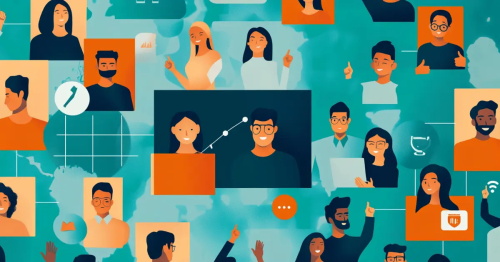
The cultural implications extend beyond the individual level. As remote creatives traverse digital and physical realms, they often participate in multilayered cultural adaptation: drawing from local practices where they stay, incorporating borrowed aesthetics or behaviors into daily life, and then reinterpreting those influences as they move onward. For example, remote workers who spend extended stays in vibrant international hubs may not only learn local languages but also adopt customs, dietary habits, or creative approaches that would have been unlikely in a fixed-location career. These experiences contribute to a composite cultural identity that is neither wholly local nor exclusively rooted in the individual’s origin culture, but rather a blend drawn from a network of cultural encounters.
However, this cultural fluidity is not without its complexities. While some digital nomads describe their experiences as enriching and transformative, others report feelings of cultural homelessness—a sense of rootlessness that arises when ties to any particular community become tenuous. The transient nature of nomadic work can make deep social bonds difficult to maintain, resulting in a paradox: individuals may feel more globally aware than ever, yet simultaneously struggle with belonging. Ultimately, mobility reshapes identity not by dissolving cultural boundaries entirely, but by making them permeable—allowing individuals to navigate and negotiate between cultural spheres rather than being defined by a single one.
Cultural Exchange and the Emergence of New Social Landscapes
As digital mobility accelerates, cultural interaction takes on new spatial and social forms. Co-working spaces, digital hubs, and transient communities in cities like Chiang Mai, Lisbon, Medellín, and Bali have become emblematic of how remote creatives carve out hybrid cultural spaces that combine elements of local life with global sensibilities. In these environments, cultural exchange occurs not only between individuals and local contexts but also among nomads themselves, who bring varied experiences from across the globe and engage in dialogues that cut across borders.
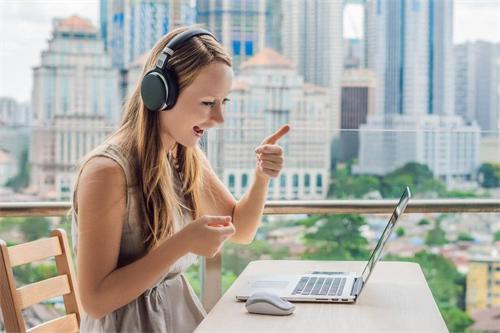
These hubs serve dual functions. On one hand, they act as sites of cultural fusion, where local traditions and global trends coexist. Digital nomads may immerse themselves in local festivals, culinary traditions, and artistic practices while simultaneously organizing workshops, networking events, and collaborative projects that draw participants from multiple continents. This interplay fosters intercultural literacy—a deepened awareness of cultural nuance that goes beyond superficial engagement, encouraging meaningful exchange and mutual influence.
On the other hand, these social landscapes raise important questions about the impact of mobility on local communities. While the influx of globally mobile professionals can stimulate economic activity—supporting cafes, housing markets, and service industries—it can also strain resources and alter local cultural ecosystems. For example, increased demand for short-term rentals and co-living arrangements can drive up housing costs, creating a form of cultural and economic tension between nomads and long-term residents. In some cases, locals may feel displaced or marginalized as their neighborhoods evolve to cater more to transient populations than to established community needs.
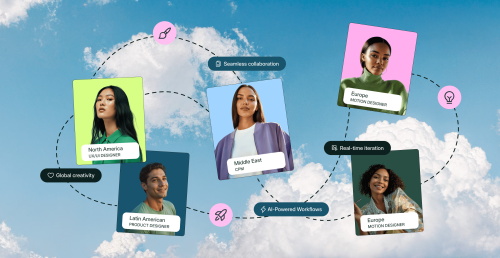
Nevertheless, the cultural dialogues that emerge in these spaces are significant not because they erase difference, but because they highlight the negotiation of cultural meaning in a networked world. At their best, these interactions encourage appreciation and understanding across cultural divides, supporting an ethos of global citizenship rooted in empathy and shared experience. Remote work, then, becomes a catalyst not just for economic productivity, but for cultural co-creation—where the identities of individuals and communities are shaped by reciprocal, ongoing engagement rather than static inheritance.
About the Author:
Andrew Keen is a culture and technology writer who explores how digital mobility, remote work, and global connectivity are reshaping modern identity. With over a decade of experience reporting on internet culture, mobile work trends, and creative communities, Avery’s work has appeared in Tech Horizon, Global Citizen Journal, and Nomad Quarterly. Holding a Master’s in Cultural Studies and having collaborated with international research initiatives on remote work and social adaptation, Avery brings anthropological insight and narrative depth to topics at the intersection of technology and human experience. Their writing combines rigorous research with on-the-ground interviews from creative hubs around the world.
References:
Mansour, R. (2024). The Rise Of Digital Nomadism: Reshaping Cultural Identity In A Globalised World.
Urban nomadism: Studying the changing culture of remote workers. (2024).
Socio-cultural adaptation in cross-cultural transitions of digital nomads: A self-discrepancy view. (2025).
Gentrification and cultural impacts of digital nomads. (2026).